Save 11%

Sale price$139.99
Regular price$158.00
Carhartt Men's 4" Lightweight Soft Toe Wedge Work Boot Brown - CMX4023

Save 17%

Sale price$99.95
Regular price$120.00
Thorogood Men's Classic Academy Steel Toe Oxford Duty Shoe - 804-6449

Sale price$154.95
Wolverine Men's I-90 EPX Waterproof Romeo Work Boot - Brown - W10790
Save 6%

Sale price$164.99
Regular price$175.00
Carhartt Gilmore 5" Waterproof Soft Toe Work Hiker Boot -Gold- FH5052-M
Sale price$154.99
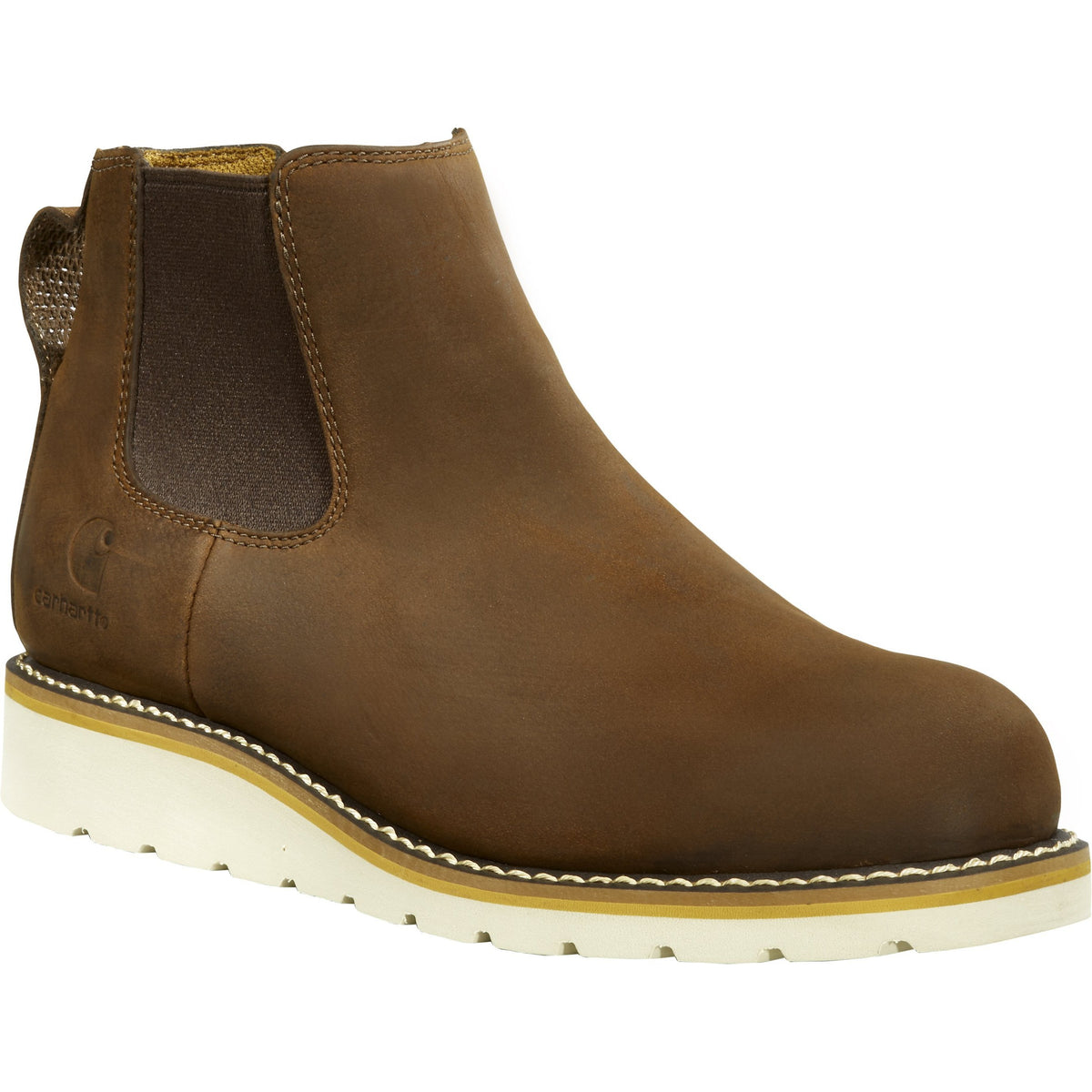
Carhartt Women's Chelsea 5" Soft Toe Wedge Work Boot- Brown - FW5025-W
Save 11%

Sale price$160.00
Regular price$180.00
Georgia Women's Eagle Trail 5" Waterproof Alloy Toe Hiker Boot -Brown- GB00556
Save 5%

Sale price$178.00
Regular price$188.00
Rocky Men's TMC Postal-Approved Sport Chukka Duty Boot Black FQ0005015
Save 7%
Sale price$129.95
Regular price$139.95
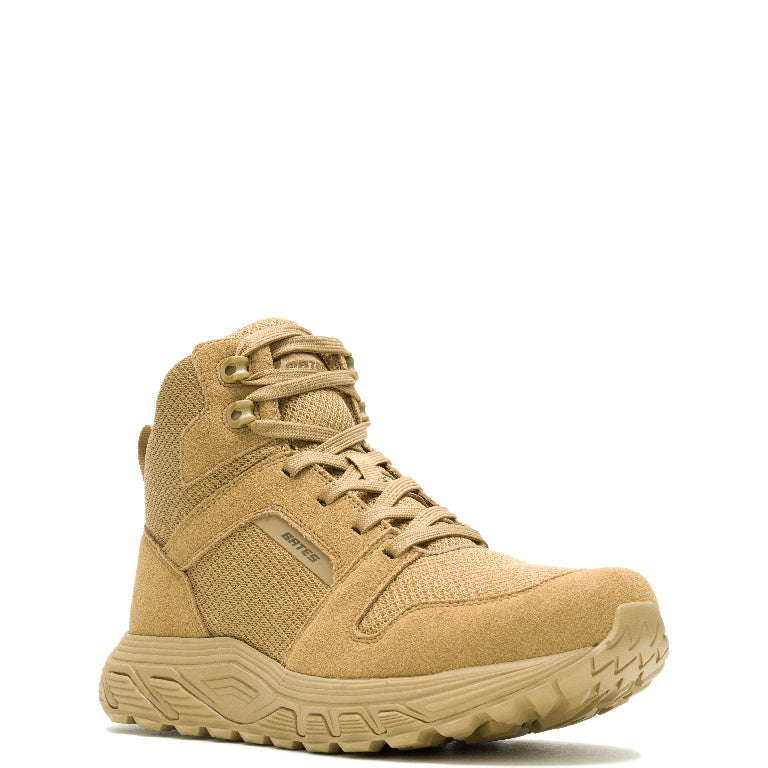
Bates Rush 2 Mid Men's Tactical Boot - Coyote - E02277
Save 7%

Sale price$129.95
Regular price$139.95
Bates Rush 2 Mid Men's Tactical Boot - Black - E02296
Frequently Asked Questions
When your floor is flat and predictable and you cover distance on foot. Warehouse, distribution, plant floors, shops, retail stockrooms, and driving between stops all favor a low cut, because the ankle coverage of a taller boot buys you very little there while costing weight, flex, and airflow. Broken ground and falling debris are the cases against.
The toe rating is identical, since ASTM F2413 tests the cap the same way regardless of the height of the footwear. EH, static-dissipative, slip resistance, and puncture resistance all appear on low cuts too. What a low cut cannot meaningfully carry is metatarsal protection, since a met guard needs a boot upper to anchor to.
Noticeably, and it is one of the better reasons to choose one. Less material wrapping your leg means more airflow and less heat trapped, which matters over a full shift in summer. Many people run a low cut in summer and a 6-inch in winter rather than compromising with one boot year round. See our summer work boots range.
Yes, and it is the main practical complaint. On a mulch job, a gravel yard, or anywhere with loose material, a low cut fills within an hour. Indoors on a swept floor it is a non-issue. If you regularly deal with loose material underfoot, a 6-inch is worth the extra weight. See our 6 inch boots range.
Close, and the terms overlap. A low cut boot generally has a slightly more substantial upper and sits right at the ankle, while a work shoe is cut lower and lighter still. In practice you should compare the individual models rather than the labels. See our work shoes range.
Adequate, though not ideal. The sole matters more than the height on a rung, and a flat or lightly treaded sole grips well. What you lose is the ankle support that helps when you are reaching or shifting weight at height. If you spend serious time on ladders, a boot with more shaft is worth the trade.
Many do, and width matters as much here as on any rated boot, since a safety cap cannot stretch the way soft leather can. If footwear pinches across the ball of your foot, width rather than length is the fix. See our full wide fit work boots range.
It depends far more on the construction than the height. Leather low cuts on a welt last as long as any welted boot; athletic-construction ones give roughly a year before the midsole compresses. Check what the boot is built from rather than assuming a low cut is less durable by definition.
Recently viewed
Our Top Brands