
Sale price$179.99
Regular price$184.00
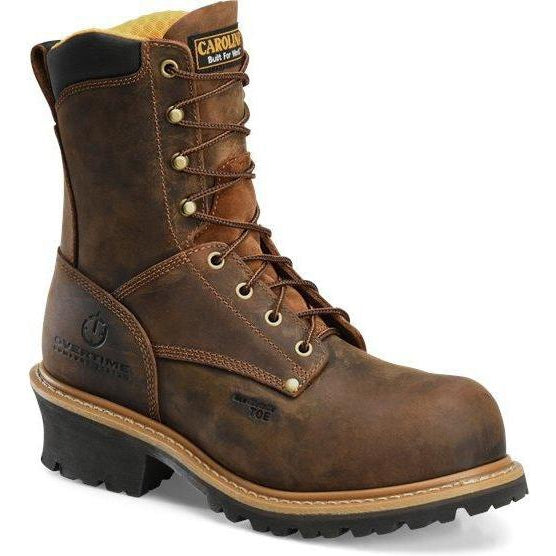
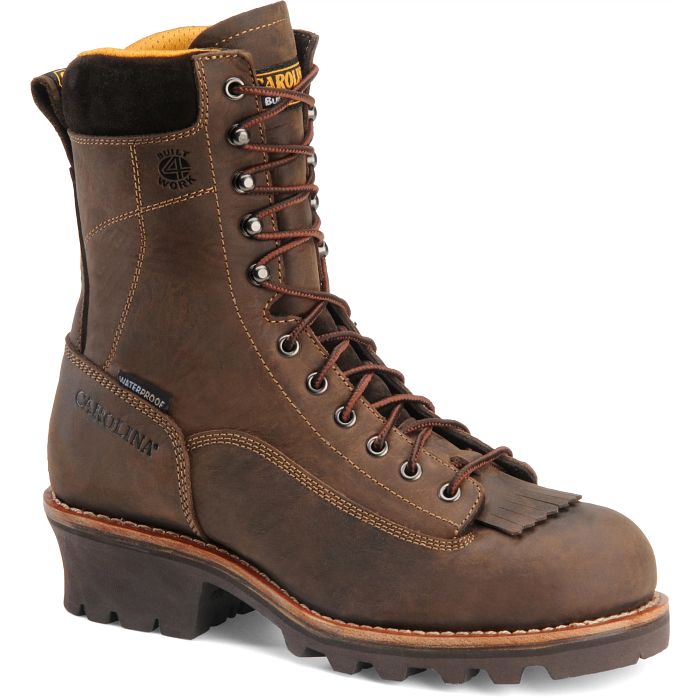
Carolina Men's Poplar 8" Composite Toe Unlined Logger Work Boot - Brown - CA9853
Sale price$194.99
Carolina Men's Elm 8" Waterproof Logger Work Boot - Brown - CA8821


Sale price$249.99
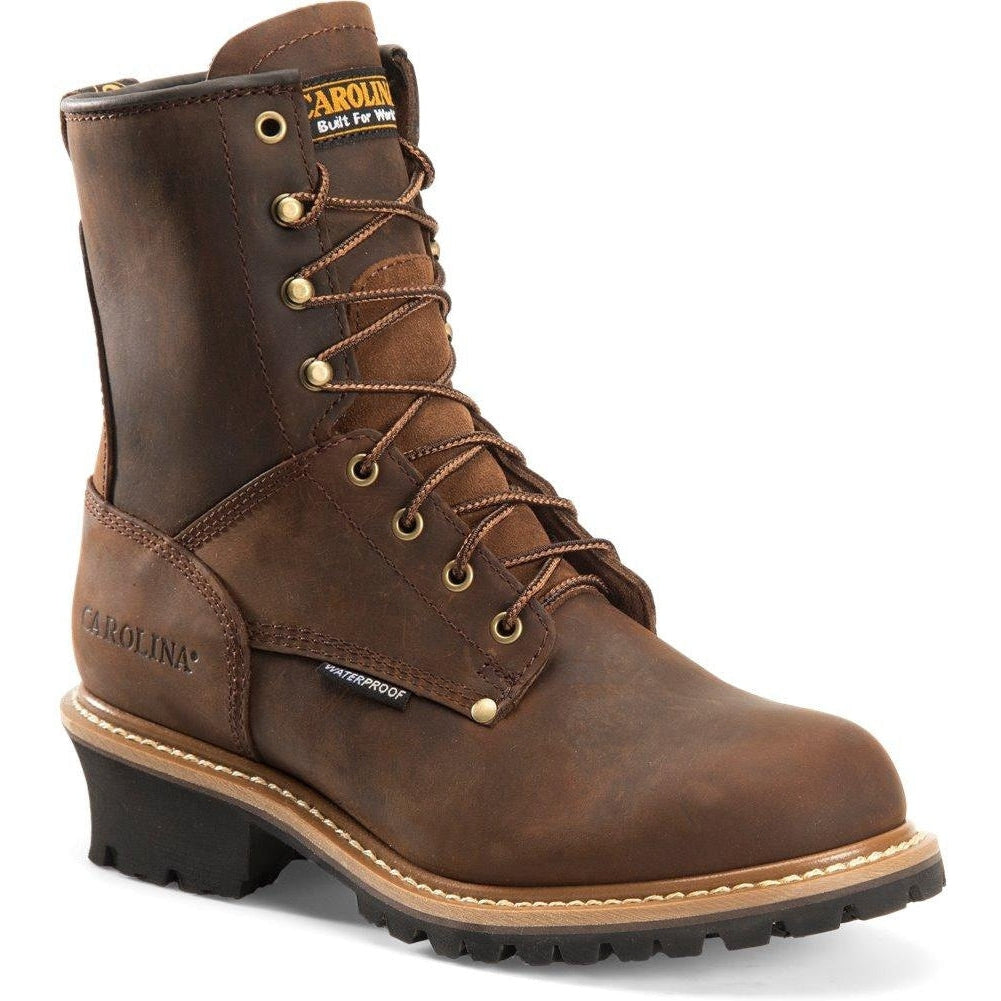
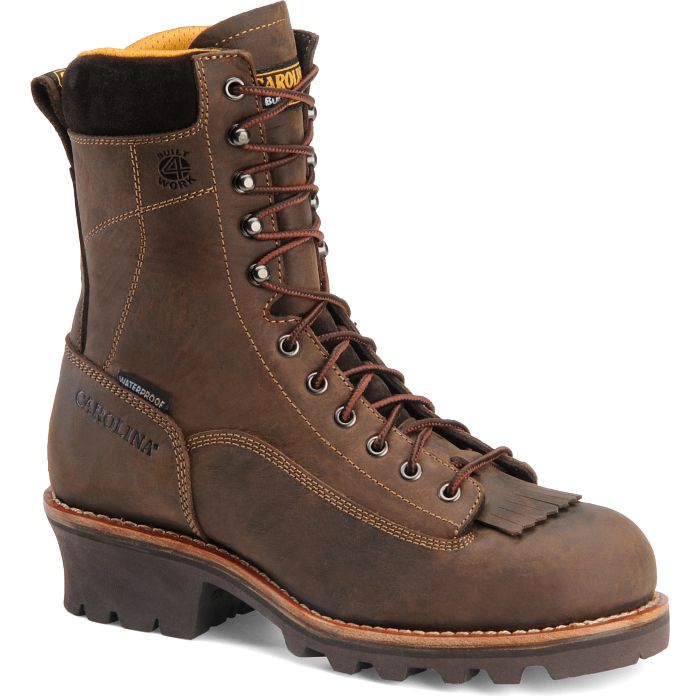
Carolina Men's Birch 8" Waterproof Logger Work Boot - Brown - CA7022


Sale price$214.95
Chippewa Men's Hador 8" Steel Toe Logger Work Boot - 55026

Sale price$319.95
Regular price$331.00
Chippewa Men's Super DNA 9" Steel Toe Waterproof 400G Ins Logger Work Boot - Black - 59410

Sale price$319.95
Regular price$331.00
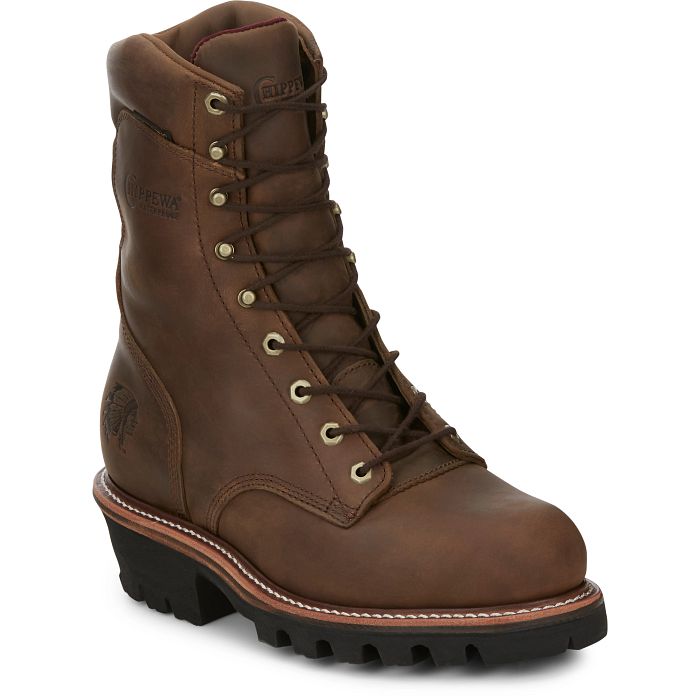
Chippewa Men's 9" Steel Toe Waterproof Ins Logger Work Boot - Brown - 59405
Sale price$239.95
Regular price$249.00
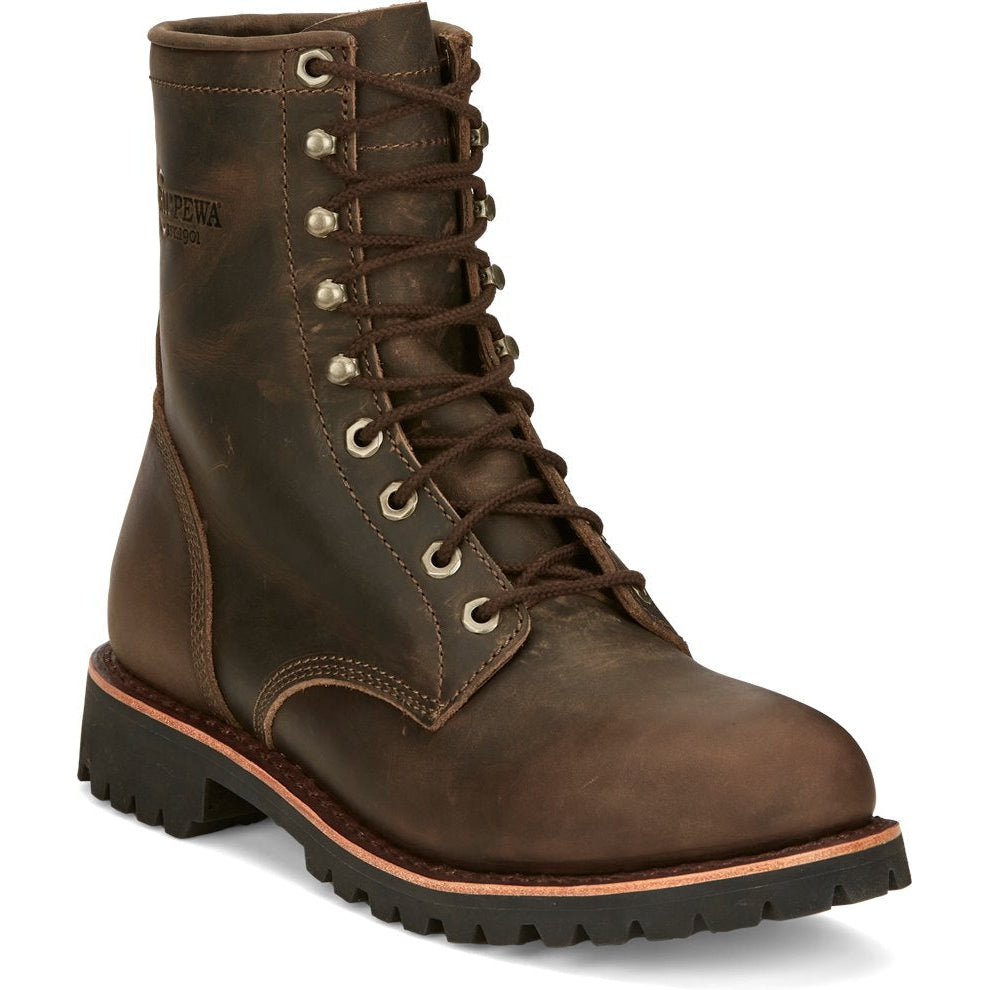
Chippewa Men's Classic 2.0 8" Soft Toe Lace Up Work Boot -Brown- NC2085

Sale price$219.99
Regular price$224.00
Carolina Men's Spruce 8" Steel Toe Waterproof Logger Work Boot - Brown - CA9824
Save 36%

Sale price$147.67
Regular price$232.00
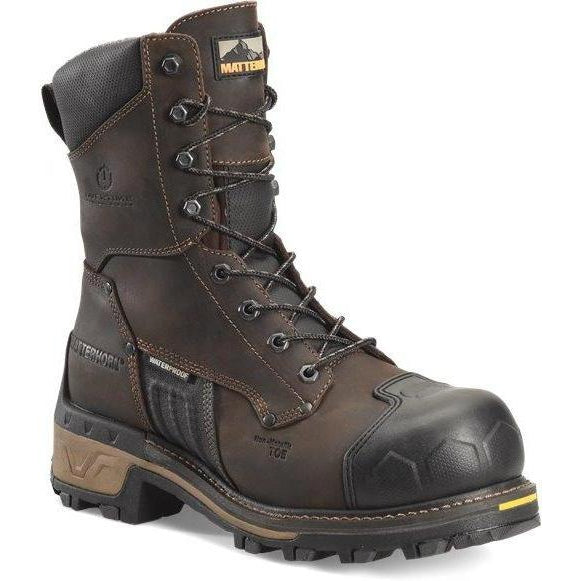
Matterhorn Men's Pr Steadfast 8" Waterproof Composite Toe Logger Work Boot -Brown- MT2558

Sale price$214.95
Regular price$223.00
Chippewa Men's Valdor 8" Composite Toe Waterproof Logger Work Boot - Tan - 73236
Save 6%

Sale price$154.99
Regular price$165.00
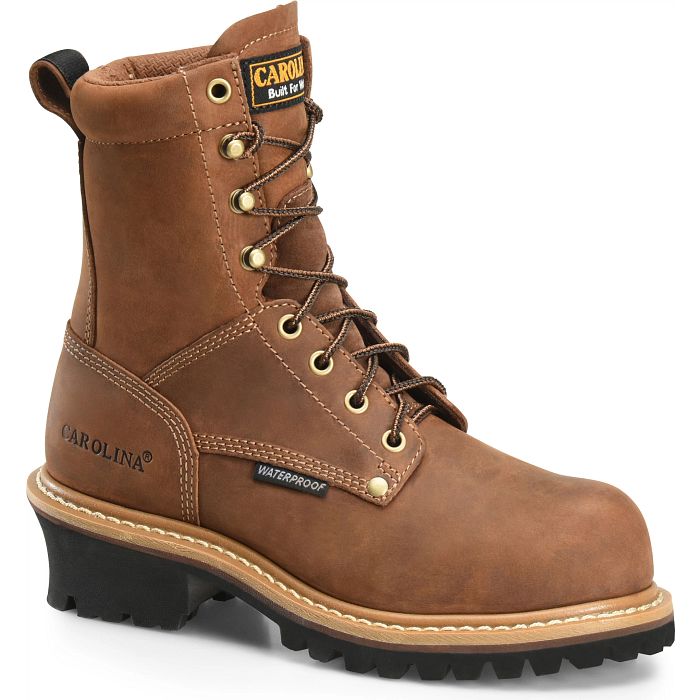
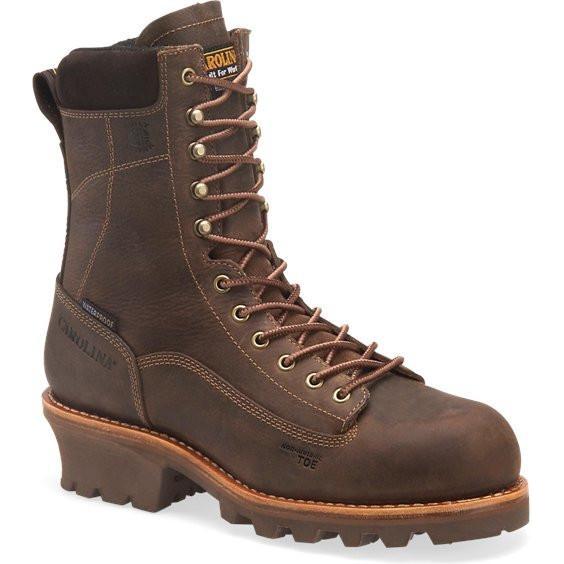
Carolina Women's Elm 8" Steel Toe Logger Work Boot - Dark Brown - CA1421


Sale price$209.99
Regular price$214.00
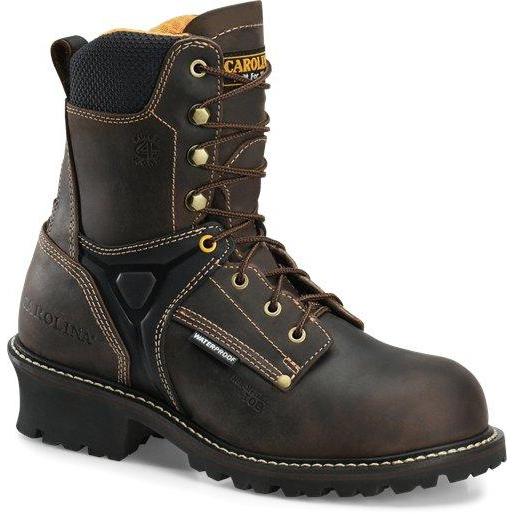
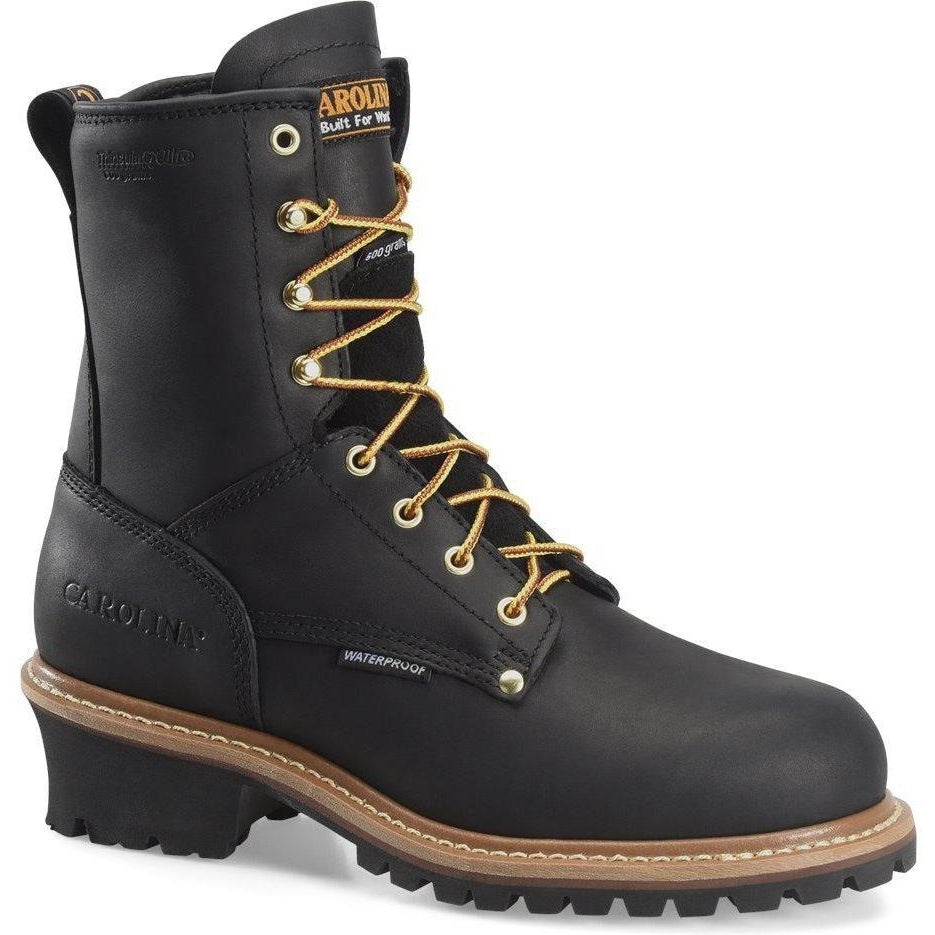
Carolina Spruce Logger Boots - Men's 8" Steel Toe Waterproof - CA9825

Save 6%
Sale price$319.95
Regular price$339.00
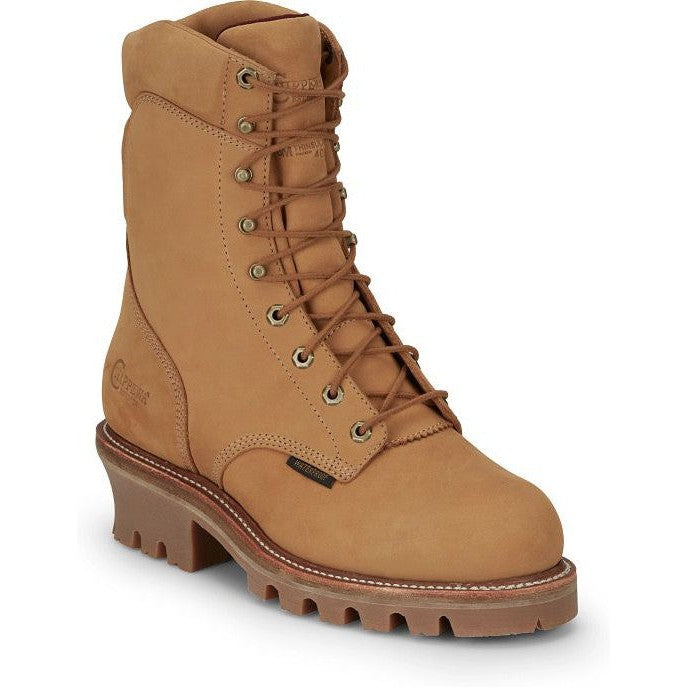
Chippewa Men's Super Dna 9" 400G Insulated Steel Toe Work Boot -Wheat- 59417
Save 7%

Sale price$389.95
Regular price$420.00
Thorogood Men's Logger 9" Steel Toe Waterproof USA Made Work Boot - Brown - 804-3555

Sale price$184.99
Carolina Men's Elm 8" Waterproof Logger Work Boot - Black - CA8823
Sale price$219.99
Regular price$224.00
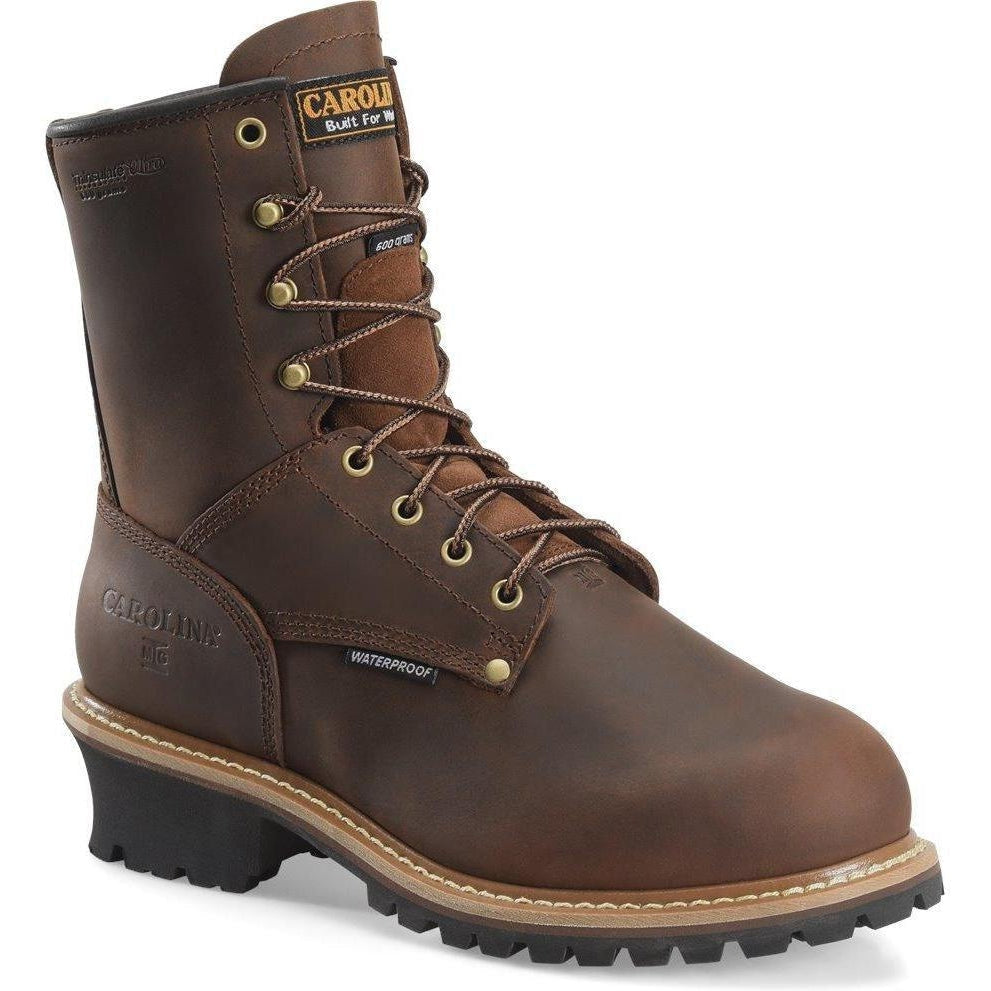
Carolina Men's Elm 8" Waterproof Insulated Metguard Logger Work Boot - CA7821
Save 7%
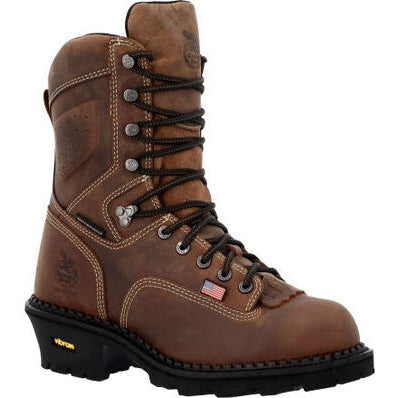
Sale price$272.00
Regular price$292.00
Georgia Men's Usa Logger 9" Waterproof Composite Toe Work Boot - Crazy Horse - GB00540
Save 7%
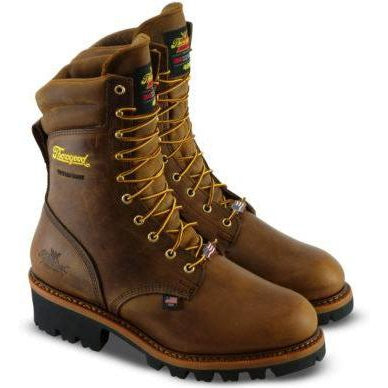
Sale price$399.95
Regular price$430.00
Thorogood Men's Logger 9" Steel Toe Insulated USA Work Boot - Brown - 804-3554
Save 36%

Sale price$162.67
Regular price$255.00
Georgia Men's Comfort Core 9" Logger Work Boot Brown GB00096
Frequently Asked Questions
Logger-style boots, in almost every case. The raised heel, the stiff shank, and the tall shaft are all doing work when you are on spikes or on steep ground, and a comfortable flexible work boot is the wrong tool for it. Most climbers wear 8 to 12-inch boots with an aggressive lugged outsole. See our logger boots range.
Because when you stand on a spike or a gaff, your entire weight bears on a narrow point under the arch. A flexible sole lets your foot fold around it, which is exhausting within an hour and injurious over a season. A rigid shank spreads that load across the whole arch. This is the single most important property in a climbing boot and it is easy to overlook.
Many arborists wear one, since dropped limbs and equipment are real hazards on the ground portion of the work. Worth being clear about the limit though: a safety toe is tested against impact and compression, not against a chainsaw, and it provides no cut protection whatsoever. Chainsaw protective boots are a separate category tested to different standards.
No, and conflating them is dangerous. Chainsaw protective footwear contains cut-resistant material designed to jam a chain, and it is tested to standards specific to that purpose. A logger boot is named for the trade, not for chain protection, and an ordinary safety toe offers none. If you run a saw on the ground, chainsaw-rated protection is a separate requirement.
Eight inches covers most work and keeps debris out. Taller boots, up to 12 inches, give more shaft support against a spur and more protection against brush and chips, which is why many spike climbers go higher. The trade is ankle flex and weight. Height is stated in every product title.
For most of the year, yes, since wet grass, rain, and damp bark are constant in the work. Note that a waterproof boot only protects to its collar, and the more common complaint in climbing is that boots do not dry out overnight, so rotating two pairs helps more than upgrading the membrane. Waterproof status is stated in every product title.
Spike and rope work is brutal on uppers and outsoles, and a season to eighteen months is common. The welted models can be resoled, which is worth having in this trade because you will destroy outsoles long before the upper gives out. Check the construction on the product page if you plan to rebuild rather than replace.
No. A wedge has no defined heel, which means nothing to seat a climbing spur against and no edge to set into a slope. Wedges are excellent on concrete and finished floors and genuinely poor on the ground arborists work. If you have been wearing a wedge and struggling on spikes, that is why. See our forestry boots range for the right builds.
Recently viewed
Our Top Brands